Regular swimming lessons will improve your physical health and bring back a great state of mind.
It is suitable for all ages and ability levels
If you have trouble exercising due to an injury or chronic illness, swimming is the best way to exercise. Swimming is so gentle on the body that it can be practised by people of all ages and ability levels. Even if you’re not a swimmer, that’s okay! Aqua aerobics builds muscles and makes your heart beat more rhythmically, without putting too much strain on it.
Here is a link to our channel with videos on healthy and unhealthy activities and recommendations for different sports:
Physiological benefits of swimming Training in a swimming pool, swimming in natural bodies of water will be beneficial in both the short and long term.
Moderate stress from swimming When swimming, there is no collision with the ground, so the joints are protected from stress and excessive strain. For this reason, water sports are desirable for arthritis sufferers.
Exercise for the whole body It may seem that the legs and arms do most of the work in the water, but this is not the case. Swimming strengthens the spine, increases heart rate, and engages almost all the muscles in the back.
Reasonable impact on joints For most types of exercise, there are two options: high intensity but a huge strain on the joints, or low intensity but easy on the joints. With swimming, you benefit on both counts. When you swim, your joints only have to bear 10 per cent of the normal weight load, which drastically reduces the chance of injury.
Reduces arthritis symptoms Many types of exercise are difficult and taboo for arthritis sufferers, but swimming is not one of them. Studies show that movement in the water can reduce the pain and stiffness caused by arthritis.
Improve cardio and respiratory function
Swimming increases endurance. Regular exercise increases the body’s ability to endure prolonged physical activity without a noticeable decrease in performance.
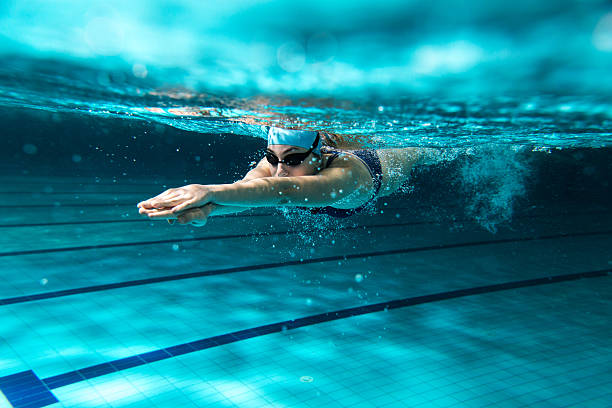
Swimmer swimm freestyle in swimming pool
In a study involving middle-aged men and women with traditionally sedentary lifestyles, they were asked to swim daily for 12 weeks. At the end of the experiment, maximum oxygen consumption increased by 10 per cent and stroke volume (the amount of blood pumped with each stroke from the left ventricle) improved by 18 per cent.
Ease of breathing Swimming is ideal for people with asthma. Swimmers have greater lung capacity and better breathing control than runners. A small warning: chlorine exacerbates asthma symptoms, so use a saltwater pool or swim in open water if possible.
Muscle tissue improvement A study of men who completed an eight-week swimming programme found a 24% increase in triceps (triceps muscle of the upper arm). Even people who did not exercise with weights at all become trimmer after 2-3 months of pool training .
Alternative load in recovery from injury
After injuries, especially of the lower limbs, rehabilitators advise athletes to swim to keep fit. Movement in water is therapeutic after injuries to the spine, perivertebral discs, and nearby muscles. The resistance of the water forces the muscles to work hard. The body does not feel the tension or shocks that would naturally occur on land.
Weight loss Swimming burns 500-650 calories per hour, depending on how vigorously one moves. Regular pool workouts can help you shed extra pounds, preventing sagging skin.
Swimming improves coordination Swimming strengthens the skeletal muscles, thereby improving coordination. Water exercises reduce the chances of falls among the elderly due to loss of balance.
Flexibility Swimming improves the ability of the joints to make pain-free and free movements. In turn, good flexibility reduces the likelihood of injuries, sprains, strains, and fractures.
An escape from overheating in the summer heat There is nothing more enjoyable than being in the water in the summer heat, whether at the beach or in a swimming pool. Swimming is relaxing, toning and refreshing. Smooth and rhythmic movements in the water are a great workout during the hot season.
Pregnancy is not an obstacle No one expects a pregnant woman to break Olympic records. But she should stay physically active whenever possible. Swimming is the safest way to exercise during pregnancy. Exercise will help reduce common pregnancy phenomena like back pain, swollen joints. A study found that women who swam during pregnancy were significantly less likely to have premature labour.
Blood sugar regulation High-intensity swimming three times a week increases insulin sensitivity and balances blood glucose levels. This reduces the risk of developing and aggravating diabetes.
Psychological benefits of swimming Swimming and other water activities are healthy activities for the whole family. With increasing levels of digital addiction, leading a predominantly sedentary lifestyle, daily physical activity is an effective help to end the epidemic of inactivity and passivity.
A lifelong passion Age is not a limitation to swimming. Exercise can be started in early childhood and continued throughout life. A perusal of websites shows that competitive swimming has an age range of 100 to 104 years.
Stress Relief Whether you swim at a fast or slow pace, swimming “washes away” nervous tension. Exercising in the water relieves anxiety, eliminates nervousness, and calms you down. Regular exercise gets rid of mood swings, returns vigour and freshness.
Improved sleep Training in water eliminates muscle spasms, perfectly relaxes the body. Daily swims get rid of insomnia and restore deep, deep sleep.
Mood and self-confidence Endorphins released during water exercises improve mood, eliminate depression. Making a strong-willed effort to achieve goals boosts a person’s self-esteem.