   
    |
Grandma, why did you plant an apple tree here… a life storyGrandma, why did you plant an apple tree here, because everyone walks here, they will pluck apples from it!
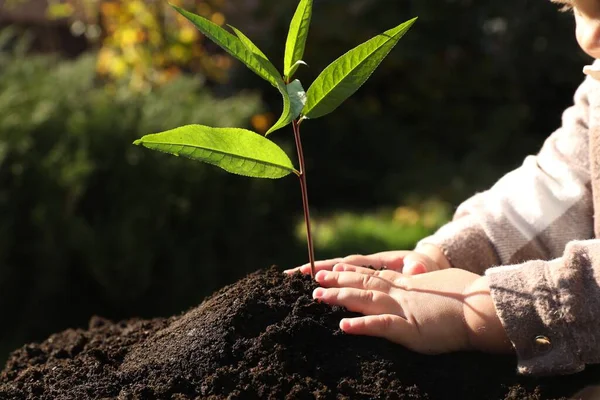
For as long as I can remember, from early childhood, my great-grandmother planted trees. Birches, rowan trees, apple trees. In the field, along the paths, behind the village, by the well – wherever their green freshness and tasty fruit could be useful to people. I grew the best apple seedlings from seeds, nurtured and cared for them until they reached the age of a seedling, and then carefully transferred them to the place where the apple tree was to grow. My favourite great-grandmother is long gone, but her trees live on – they have become big and strong – keeping the memory of the one who planted them here. My great-grandmother had a hard life. She was born in 1903 in a poor family with many children and from the age of 11 she lived and worked “in the people” – for bread. She was diligent, industrious – all the things in her hands went well. On the same day the young Komsomol member Mark Fedorovich (my great-grandfather) was called to defend his native land. And Katerina Nikolaevna was left alone with five children. She would have fallen down broken with grief, and would have howled in her voice, but she couldn’t – she had to raise her children. She gathered all her will in a fist and began to live on. But Katerina Nikolaevna was never afraid of work and taught her children not to rely on anyone, but to work for themselves. At that time their farm was considered one of their strong ones, despite the fact that great-grandmother never married, although many people asked for the beautiful working widow – she loved her husband and remained faithful to him for life. The children grew up. Married, grandchildren came. Only one daughter – Evdokia – did not marry – she decided to stay with her mother to be her helper and comfort in her old age. She took her away. Only there it was hard for the great-grandmother…. Her heart longed to go back to her native place, to the land and space. Every summer her daughter brought her elderly mother to her homeland, where her eldest son lived with his family – my grandfather. Together with my great-grandmother we often went to the forest, to the field, collected herbs, mushrooms, berries. It seems that there was no more favourite thing for her and for me than to walk along familiar paths and to breathe in the air of the native land. My great-grandmother told me a lot of interesting and cherished things. About healing herbs and useful trees. And about people and their fates. She never got angry, never swore profanely, it seems she never kept bad words in her head. If she met a bad person, she calmly told him: “Go, go your way from where you came” – he went on his way…. I didn’t judge or discuss anyone. She lived simply, but with dignity. She was strict and demanding to her children, but she was smart and sensible. And they, grandfathers themselves, loved and honoured her unconditionally. She ate simple vegetable food and did not like to sit idle – her hands were always busy with needlework or some household chores. And she was a needlewoman like no other! She sewed, embroidered, knitted, and stitched – as few people can do. And most of all she loved living plants. Trees, grasses, bushes – she always said that they are alive too and hear and understand everything. And one mustn’t destroy and break them. And to her children, and then to her grandchildren and great-grandchildren she firmly instilled this precept – you can’t destroy living trees for nothing! My great-grandmother used to say, “Live simply and you’ll live to be 100.” And she added: “I live simply, that’s why I don’t die”. The man is gone, but his memory lives on. In the trees he planted, in his words and words of advice, in his deeds and deeds. And in grandchildren and great-grandchildren who continue and multiply our family. Because a simple life is strong with truth, and the memory of it is therefore strong. (To memory of my great-grandmother – Boytsova Katerina Nikolaevna is devoted). |