Gave my favourite car as a gift. A good life story
Many years ago, almost 30 to be exact, I was on holiday with my children at a friend’s house in Riga. We visited various museums, parks, walked along the seafront. And, of course, we went to the children’s world. There my son found the car he had long dreamed of. A small plastic car of red colour, which cost 15 kopecks. His joy was unrivalled. He slept and walked with it, in short, he never parted with it. A few days later we were to go on an excursion to Salaspils. The day before I told the children the history of the Salaspils concentration camp. They asked me a lot of questions and I realised that I had overdone the story: they were no longer interested. But the most important thing was ahead of me. Early in the morning we got on a comfortable bus, took some sweets and biscuits for the road, and drove off.
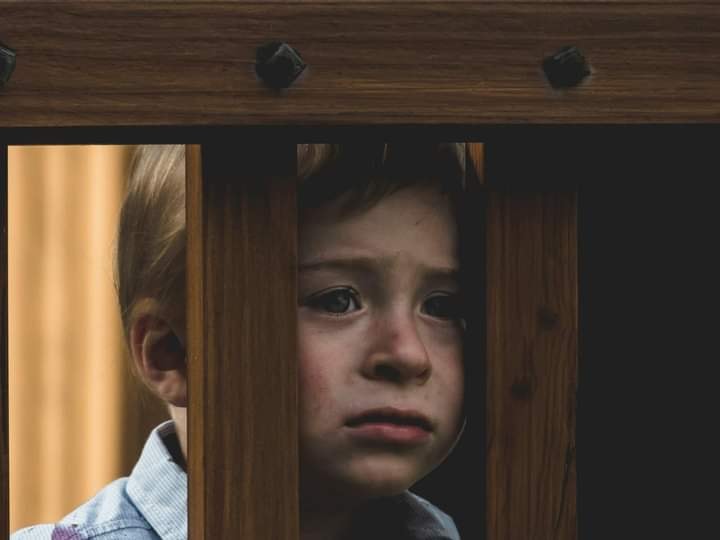
Our guide told us a lot about the most beautiful Riga, and when we started to approach Salaspils she asked everyone not to pick huge raspberries: “Raspberries love phosphorus, and there is more of it here than anywhere else. Thousands of innocent people and children of all faiths and nationalities are buried here. Raspberries are their drops of blood.” Here our bus has stopped in the car park in front of the entrance to the Salaspils Museum. We get out. Birch trees are whispering about something. And then we saw a raspberry tree. I have never seen such large berries in my life. My child’s eyes were on the raspberries. He walked and kept silent, but I didn’t touch him. We were overtaken by a young lady with many berries in her hands. My son looked up at her. She smiled at him and offered him some berries. I thought with horror that he was going to take them. And then he suddenly said to her in a loud voice: “How can you, auntie, eat berries? “They’re drops of the children’s blood!” No one who heard this had any words. One man picked him up in his arms and said to him, “You’re a real man. So he carried him in his arms, joking about something with him.
When we came to the place where the children’s barracks used to stand, he was quiet again. He held my hand and asked me for a candy and a biscuit. I was about to say that I don’t need to eat here, but he said to me: “I’ll put it on the grave for them (the children) and give them the car too. They don’t have a car like that, and you’ll buy me a new one. Okay? The kids will go for a walk at night and take it all away. They’ll be glad!” While he was putting it all away, with such love and tenderness, he didn’t see the “aunts and uncles” wiping away tears, except for one who was still eating her raspberries. The whole bus, 54 people, hugged him and gave him various souvenirs. And he in his 6 years could not understand why they were giving him presents.