   
    |
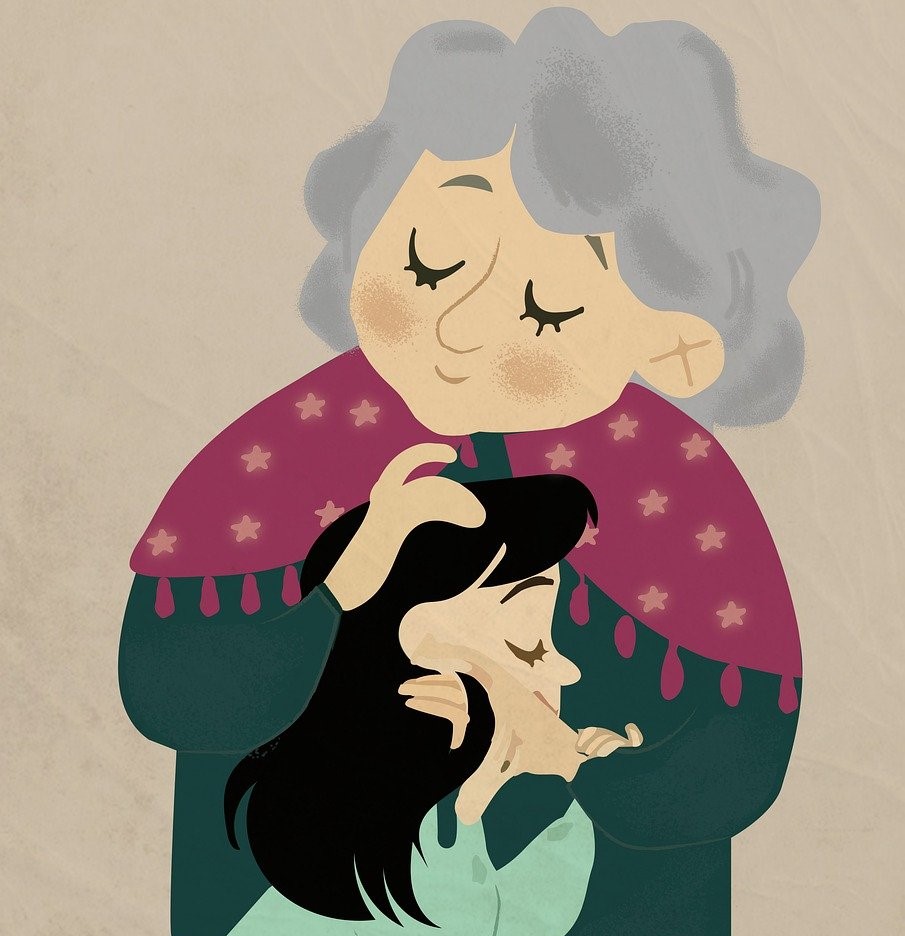
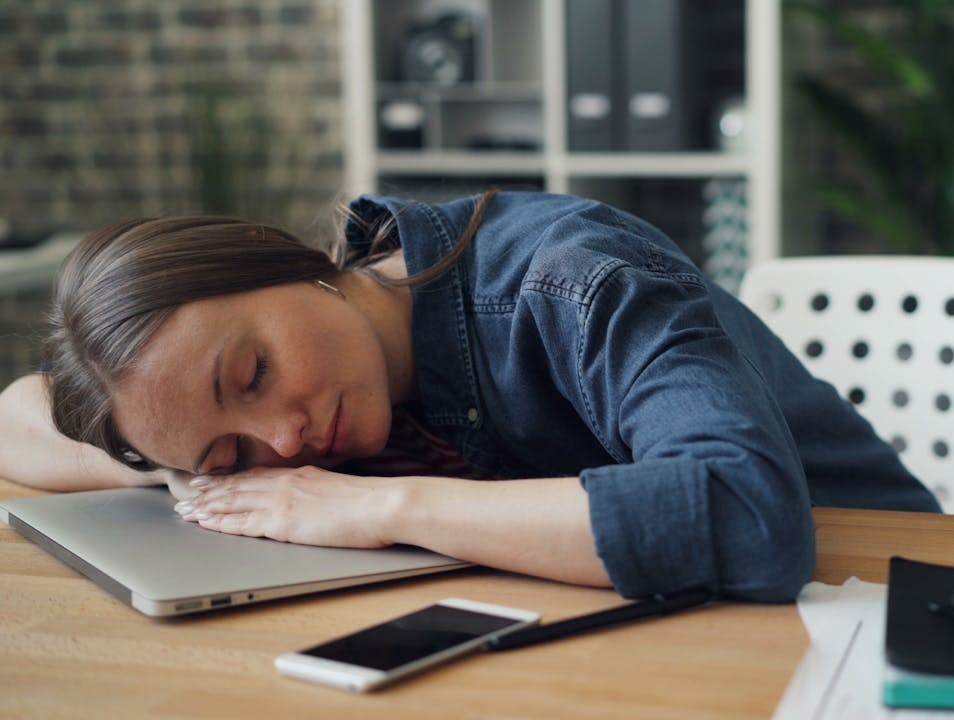
How to help yourself with chronic stress: practical tipsChronic stress occurs when a person is in a tense state for a long time. While the body is able to overcome short-term stress with the help of natural relaxation mechanisms, chronic stress simply does not have time to kick in. Frequent and intense stressful situations cause great harm to the body, negatively affecting almost all of its systems. It is important to understand the nature of chronic stress in order to learn how to deal with it effectively. Causes and types of chronic stressOur natural “fight or flight” response was designed to help us in rare life-threatening events. But in the face of higher-order threats, the constant activation of this response gradually causes damage to health. This is yet another proof that in extremely difficult conditions, it is necessary to learn techniques to protect oneself from the harmful effects of stress. Chronic stress can have different sources, which are usually divided into four main categories: I. Emotional stress – associated with the experience of complex emotions, such as anger, sadness, frustration. II. Environmental stress – caused by difficult living and working conditions. III. Relationship stress – includes interaction with the environment, family and partner. IV. Stress at work – refers to the demands and pressures experienced by a person at work. Quite often, these types of stress overlap, affecting various aspects of life. After all, stress at work can affect personal relationships, and a tense atmosphere at home interferes with the performance of one’s work duties. How does it manifest itself and what are the potential consequences?Chronic stress is indicated by a number of physical and psychological symptoms that make everyday life difficult: – decreased ability to work – constant feeling of fatigue – scattered thoughts; – irritability and anxiety; – sleep disturbances; – digestive problems; – frequent headaches; – increased frequency of viral and infectious diseases. The severity of symptoms manifests itself differently for each person. Also, it is often difficult to recognize the signs of chronic stress because of its constant impact, which forces the body to adapt to it. To understand whether you suffer from chronic stress, answer the following questions: 1. Do you often have a bad mood? 2. Are you easily irritated? 3. Do you constantly worry about any problems? 4. Do you have time for yourself and your favorite things? 5. Do you perceive minor difficulties as serious challenges? 6. How often do you get sick? 7. Do you drink alcohol to cope with stress? By answering these questions honestly, you will be able to better assess your emotional and physical state. When you are under the influence of chronic stress, it is important not to ignore it, but to find ways to overcome it. After all, a constant state of anxiety, incessant pressure and tension lead to exhaustion of the body, which can potentially lead to severe depression, skin diseases, high blood pressure, heart disease, thyroid disorders, ulcers, weight fluctuations, decreased libido, and other problems. How to save yourself from chronic stress?To maintain your health, it is very important to learn how to cope with chronic stress. In some cases, professional help, including psychotherapy and antidepressants prescribed by a specialist, can help you return to normal functioning. But proper self-help can also be helpful. First of all, it includes: 1. Setting boundaries. Make a list of all your tasks and responsibilities. Prioritize and focus only on the essentials, without wasting your already exhausted energy on the unimportant. Don’t take on new tasks until you feel you have control over your stress. 2. Take breaks. Take short breaks while working, which will help you not only maintain concentration but also avoid overload. 5-10 minutes of silence will make you feel better and allow you to collect your thoughts.  3. Spend less time on social media. Social media is a source of stress not only because of the information noise. Looking at perfect photos, we unwittingly start comparing ourselves to others, which sometimes causes depressing feelings. It is better to set limits on the time spent on social media. 4. Shield yourself from negative information. For a while, you should avoid watching negative news and horror movies. This is because it disturbs the psyche and increases anxiety. Try to limit such exposure so as not to overload yourself emotionally. 5. Support from loved ones. Do not be alone with stress. Be open to discussing problems with your loved ones and to the help they can give you in solving important issues and everyday tasks. 6. Be kind to yourself. Our inner voice criticizes and blames us too often. Learn to talk to yourself as you would to a friend who needs support. When you feel stressed, put your hand on your heart and say some soothing kind words to yourself. It’s a very simple practice that calms you down and makes it easier to get through difficult periods of life. 7. Practice reflection. At the end of the day, ask yourself: “What did I do well today? What can I improve tomorrow?”. This self-analysis will help you focus on the positive aspects and relieve pressure from the feeling that something is “going wrong.” 8. Allow yourself to relax. Take some time for yourself to relax and recuperate. This is necessary, so do not overburden yourself with guilt for “wasting time.” Try to change the environment for a while. Find time for your favorite activities that can distract you from everyday problems and find inner harmony. 9. Take care of your health. To overcome the challenges of life, do not forget about your health. By reducing your caffeine intake, you will notice that you are less nervous, feel more relaxed, and have a better sleep. Even a few minutes a day of exercise or a simple walk will help you relieve anxiety and give you energy. Health should always be a priority, even in the most difficult times of life. 10. Take care of your sleep. Poor sleep and insomnia often accompany chronic stress. Therefore, it is important to establish a regular regimen that includes 7-8 hours of good sleep. TV, computer, and smartphone should not be distractions. It is better to avoid heavy foods at night. Create calming rituals for yourself before going to bed. It can be a warm shower, pleasant music, reading a couple of pages of a good book. If you don’t get enough sleep at night, try to find at least half an hour to sleep during the day, which will significantly improve your well-being. 11. A positive outlook. Yes, sometimes it’s hard to keep a positive attitude, but try to drive negative thoughts away to reduce the impact of stress. Remember that any difficulties are eventually resolved. Chronic stress creates a feeling of exhaustion when you begin to doubt the effectiveness of simple actions. But just try at least one of the tips in good faith to feel better and more motivated. The article is based on the materials of the HoldYou project |